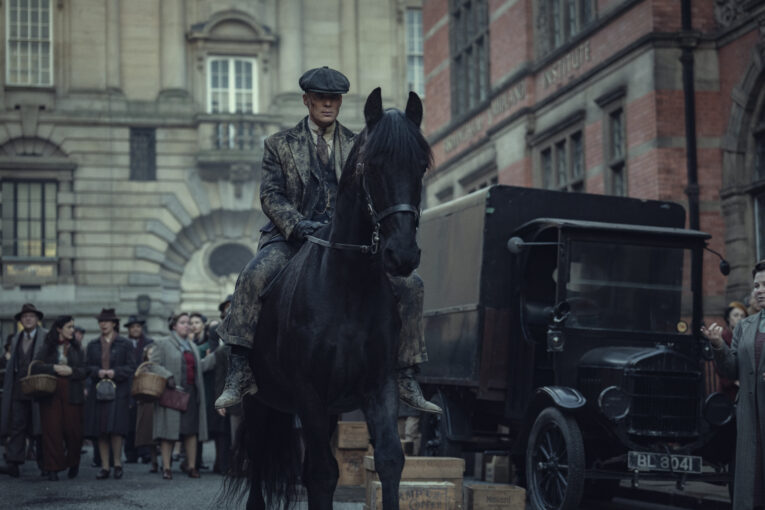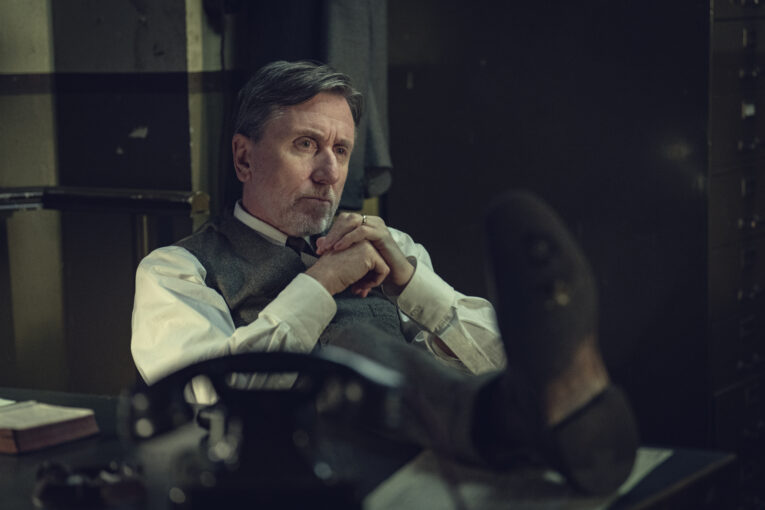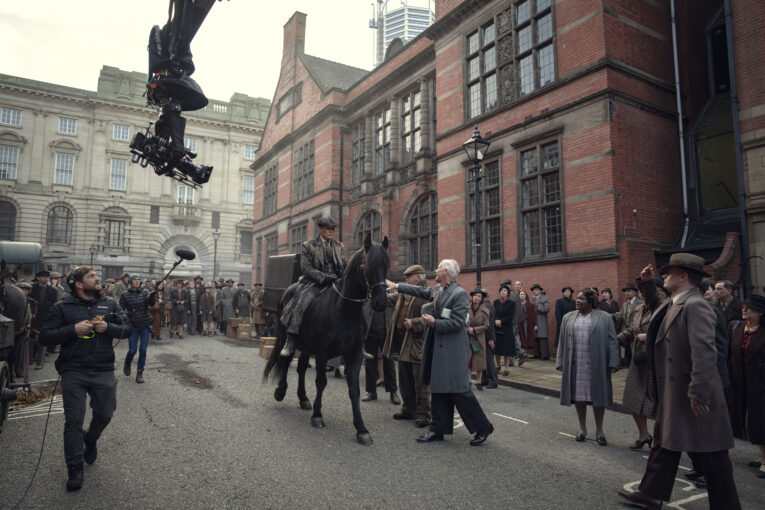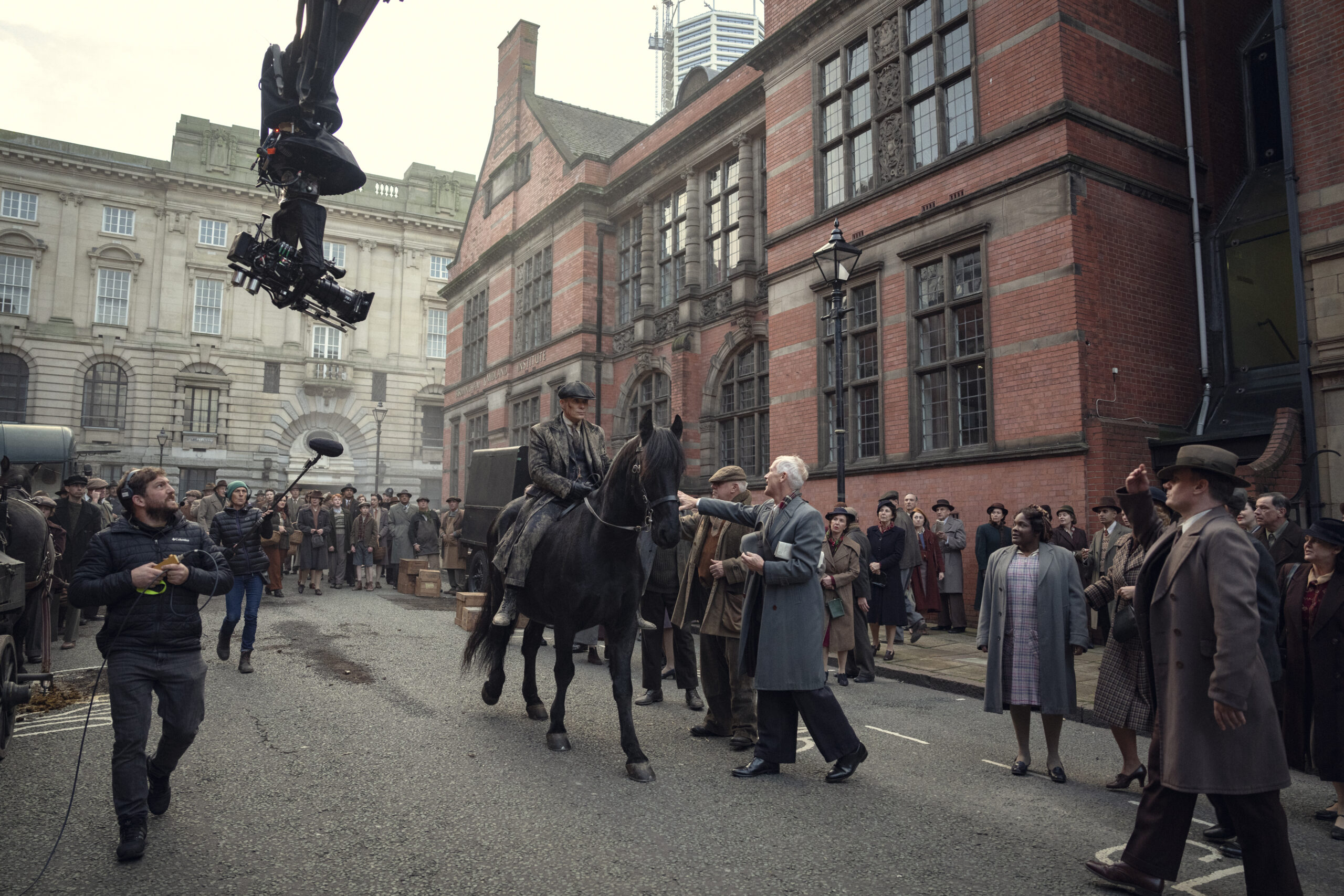

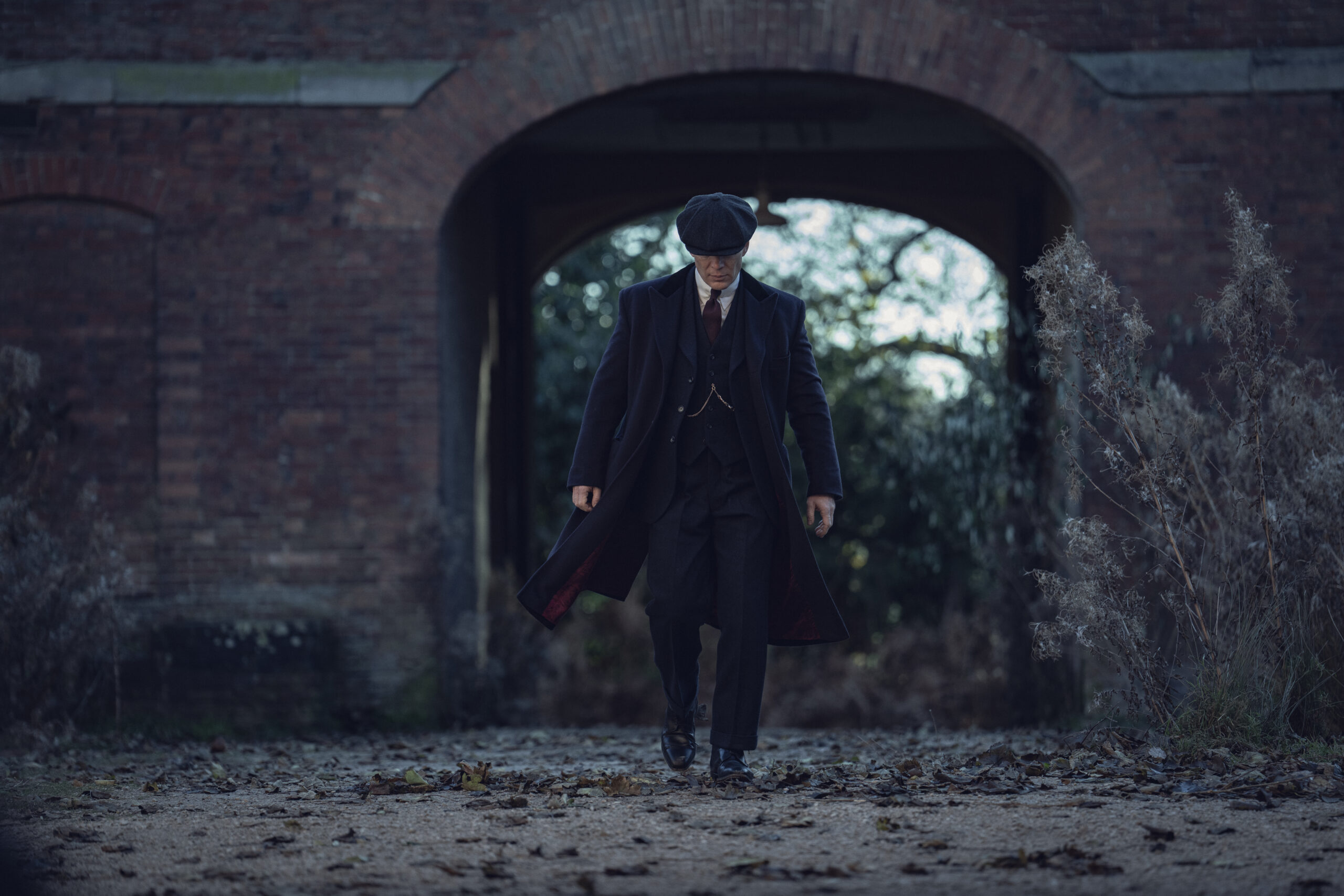

Now returning as a Netflix original, released on March 20, Peaky Blinders: The Immortal Man brings the long-awaited final chapter of Tommy Shelby’s story to the screen.
As the Peaky Blinders chapter comes to a close, at least for him, we sat down with Cillian Murphy, the Oscar-winning actor behind Thomas Shelby, and Rebecca Ferguson, who joins the film as Kaulo, for a deeper conversation about their characters.
Murphy describes his long relationship with Tommy in a way that reflects just how deeply the character has settled into him: “At this point in time, having played it for so long, eventually Tommy starts driving the car. You take your hands of the wheel and it becomes a little bit subconscious. When you’ve played a character for that long, you do kind of swap atoms with them.”
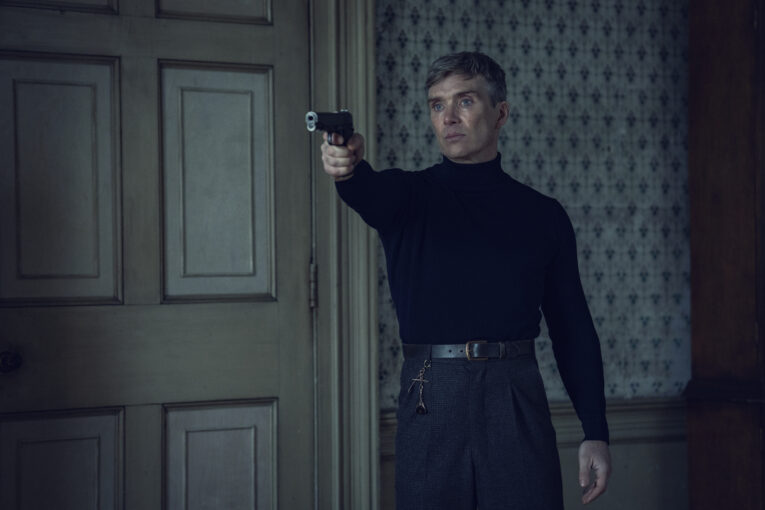
We asked him what it was like returning to Tommy in this new context: What was it like returning to him for a film set in 1940, with fascism rising and death normalized, where he exists in a kind of limbo? What did walking him toward death in that context evoke in you as an actor?
Cillian Murphy said, “Well, obviously, he’s older, a lot of time has elapsed. And I think these men that came back from World War I could not fathom that it was possible that it would happen again. They see it’s sort of slowly approaching and they cannot believe that the world is letting this happen again. Then it does and he refuses to be drawn into it. He refuses and refuses. It’s only when Rebecca‘s character begins to kind of reel him in that he steps back into the world.”
Murphy also praises Ferguson’s presence in the film and her connection to the story’s deeper themes: “She’s ethereal. The gypsy story or the gypsy culture is massive in this film, it’s probably the strongest it’s been throughout the series, and she represents that.”
The Peaky Blinders universe has introduced some unforgettable female characters over the years. Helen McCrory’s Polly and Sophie Rundle’s Ada have long felt like part of the family for fans. Now, Ferguson’s mysterious Gypsy Queen, Kaulo, enters that legacy. Ferguson, already a fan of the series, had long wanted to work with Murphy. Knowing that she had done extensive research for the role, we asked her a question many viewers will likely wonder:
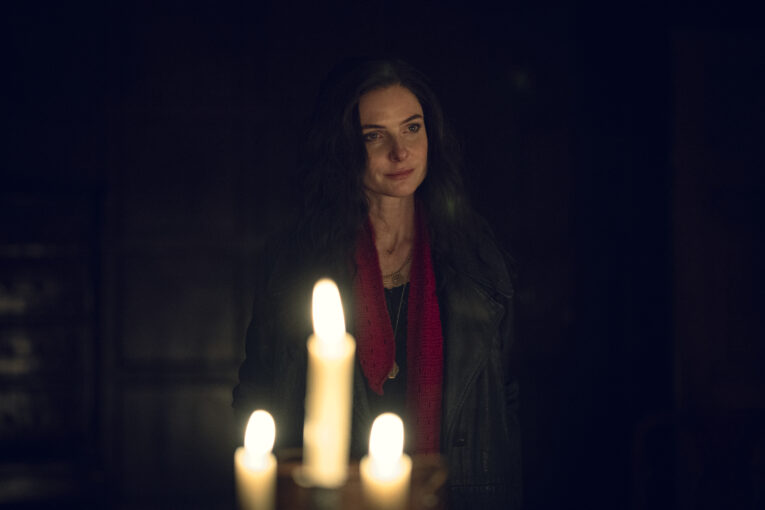
Rebecca, compared to other prominent women in the series, like Polly or Ada, how do you see Kaulo’s approach to power and influence? Is she guiding Duke or shaping him for her own ends?
“That’s a great question. I think Helen put a bar when it came to the form of matriarch. I don’t like comparing gender in general because she was just exquisite in her own right, and I think the same goes for Ada.
Steven writes really well for women. Not a lot of people write equally as well for women. So it was just kind of in the script. There was a power. There was an urgency, there was a direction. So it wasn’t hard to embody that. And I think when you’re in a world that is so powerfully run by, with Peaky Blinders being men, you just have to live up to the standard of it and create an obstacle for them to have to meet.
Whether it is, as you say, was she playing or was she sort of training Duke, I think the world is so constantly plattered with different emotions. I think it’s not just selfishness. I think there’s a great deed and then gradually things change in the narrative, and the curiosity of the characters is that they are constantly flexible with each other. But to be honest, it was served to me on a platter and I kind of ran with it.”
Murphy adds another perspective on Kaulo’s nature: “It’s a character that people will love to hate because it’s like a Lady Macbeth karakter. She’s behind the scenes controlling everything, trying to manipulate Tommy, and ultimately she has her eye on the prize.”
We then turned to the most fundamental question about Tommy Shelby as his story reaches its end: Cillian, what is Tommy Shelby’s greatest regret?
“Oh my God, have we got like the whole day?
Oh, I don’t know. I think ultimately it’s kind of about family and loss and all those bodies. That’s been a recurring recurring theme for him: how do you reconcile that with your own existence? And wealth and power are ultimately meaningless in the face of all that stuff.
And you can block it out for a certain amount of time and you can drink it away, and you can snort it away, but ultimately the pain keeps coming back. And then he’s totally isolated at the end and it’s only when he gets back into what he knows best he finds that he’s kind of heading towards some sort of resolution I suppose.”
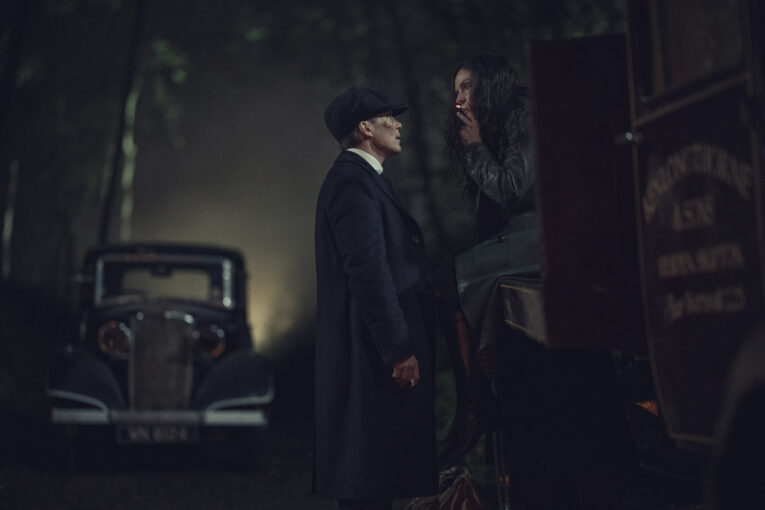
We circled back to Ferguson, who had earlier described Kaulo’s ability to influence others: “My character can manipulate other people, you know? Like any religion. If you can give people religion, you can control them. It doesn’t mean that there’s less magic, but it’s also sometimes easy to see how easy it is to control the minds of people.”
From there, we asked about one of the film’s more ambiguous moments: Rebecca, when Tommy calls Arthur’s death an accident, Kaulo doesn’t correct him. Is this supposed to be a merciful act or to show us she doesn’t really see things and is deceitful?
“I think neither. There is an importance to self recognition and self acceptance. And I think her entire agenda is that you can’t force the truth down someone’s throat. What you can do as you can help open up doors and that is literally what she says. ‘I’m here to help open up and want you to see and for you to take responsibility.’
But it’s like putting someone in rehab right, you can’t force someone to go into rehab because they’re not gonna change, but you can open up doors and help them through and be with them through that process. And whether it is through a self-needed agenda or other selfless good deeds… I don’t know, it’s this constant question, isn’t it?”
With Peaky Blinders: The Immortal Man, the story of Tommy Shelby may finally reach its end, but not without confronting the weight of everything he’s built, destroyed, and carried with him.
And if this final chapter proves anything, it’s that the world of Peaky Blinders has never really been about power or politics alone, but about the scars left behind and the question of whether a man like Tommy Shelby can ever truly outrun them.
Click here to read our exclusive interview with Steven Knight and Tom Harper.