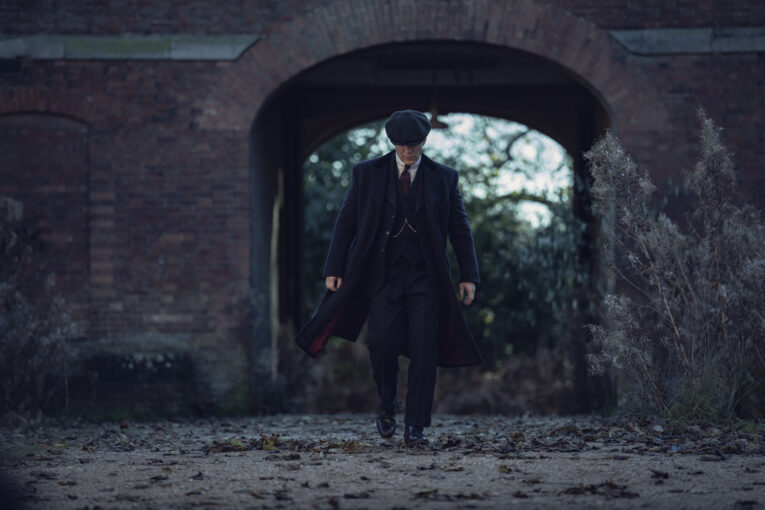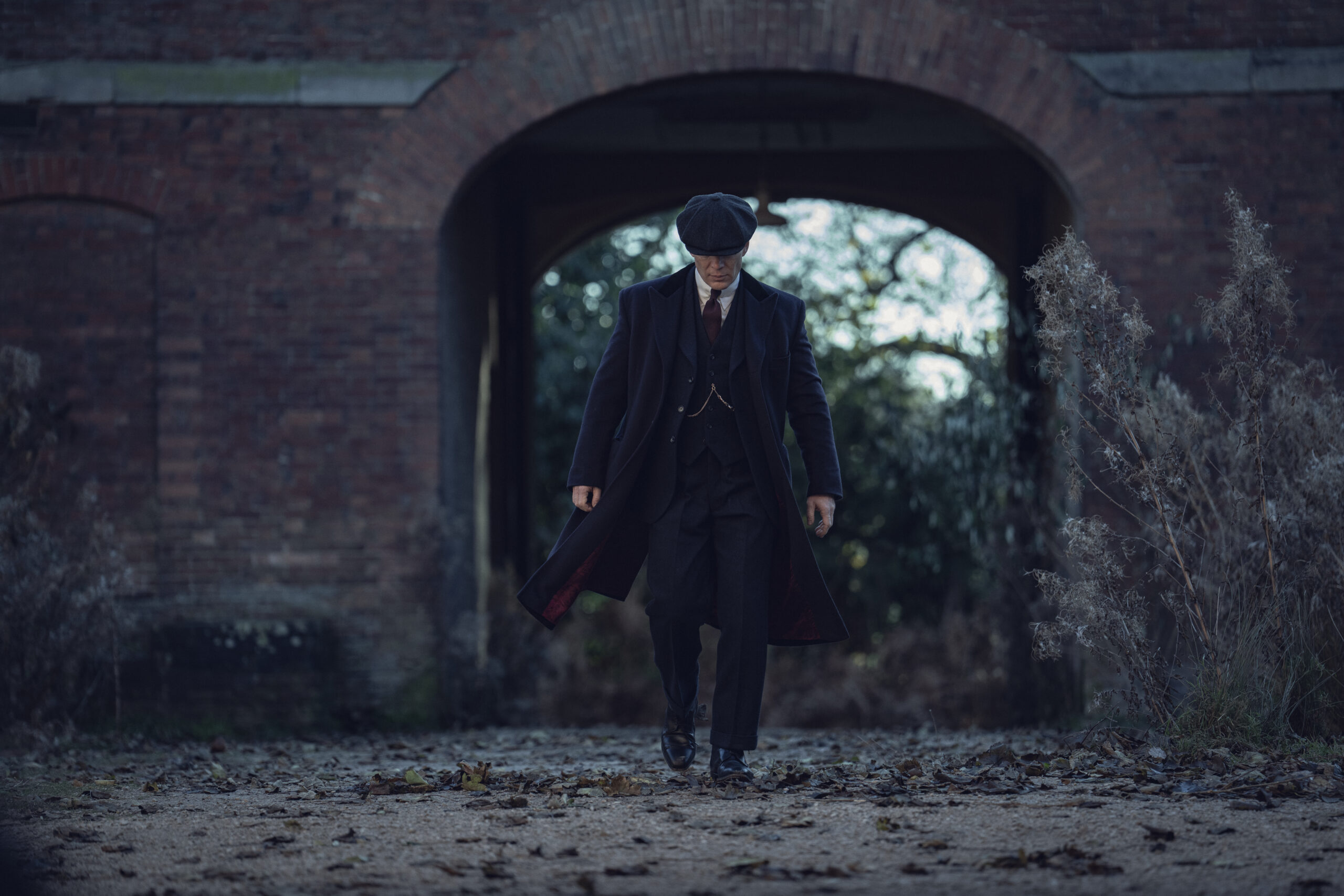

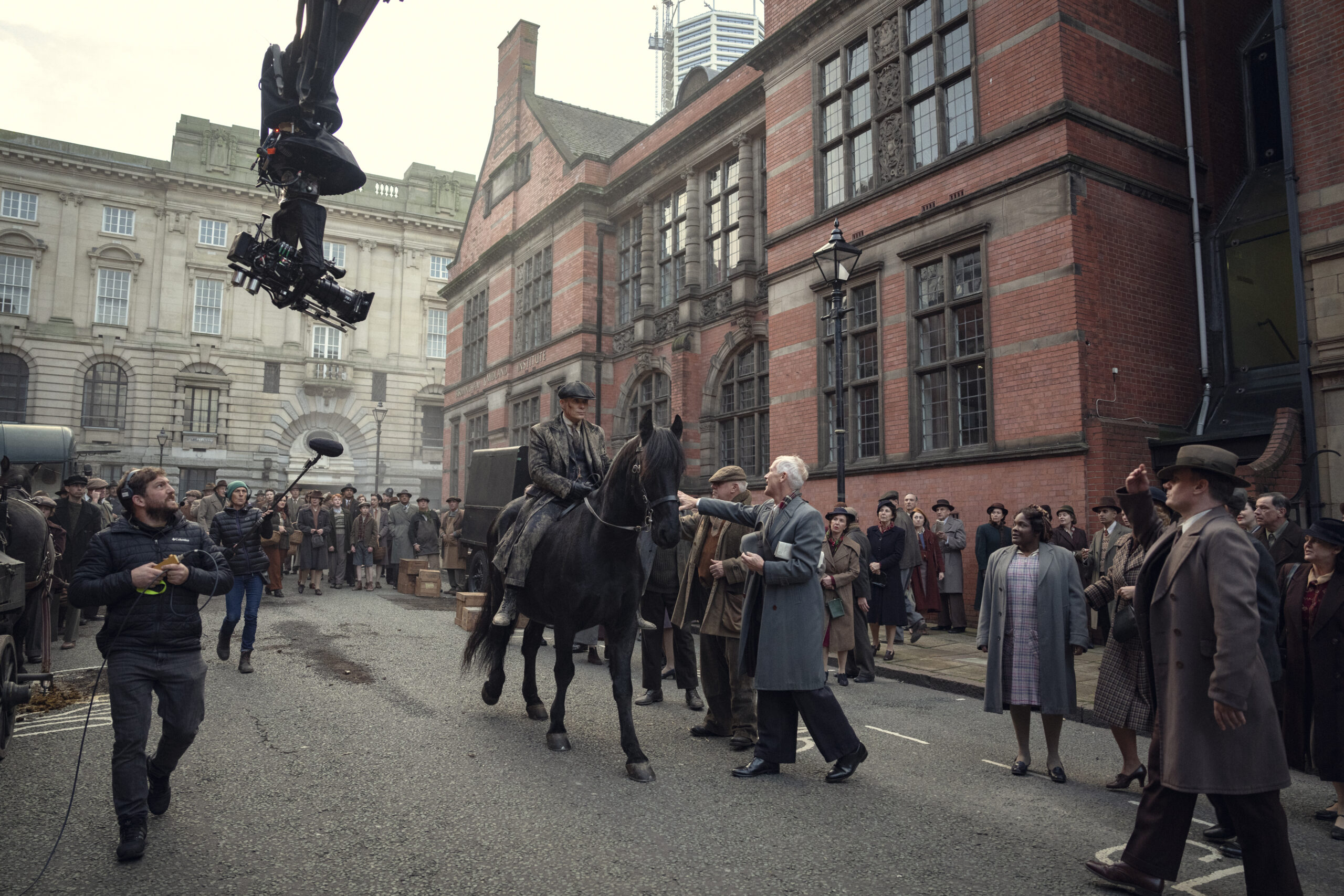
Entering our lives in 2013 and bidding farewell to the small screen in 2022, Peaky Blinders now returns to close the chapter of Tommy Shelby, this time, for good.
Now re-emerging as a Netflix original released on March 20, Peaky Blinders: The Immortal Man marks the long-planned finale that Steven Knight and his team have envisioned since the very first season. We sat down with Knight and director Tom Harper, who returns to the universe after helming episodes in season one, to discuss the final chapter of the Peaky Blinders legacy.
At the very beginning of our conversation, Knight greeted us with a cheerful “Merhaba,” explaining that his wife is Turkish, though he admitted that’s about as far as his Turkish goes. It set a warm tone before we moved into more serious topics.
Knight had explained that the presence of war had always been part of his plan for the story: “I wanted Tommy Shelby to come back in 1919, damaged as a veteran of World War I, and that his kids are involved in World War II. I just wanted to reflect this idea that here’s this generation recovering from World War I, only to pass that terrible legacy on to the next generation.” So we asked him and Tom Harper their thoughts on the current situation of the world.
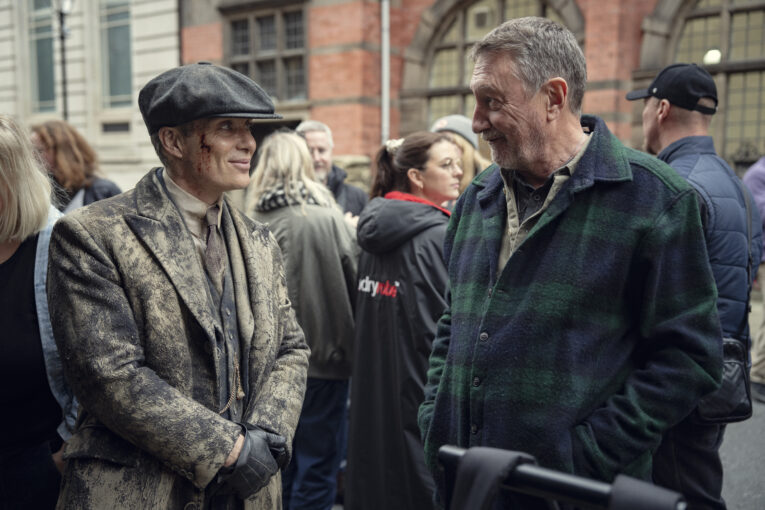
In 1919, Tommy was a man trying to survive the aftermath of a royal war; now in 1940, he stands in the middle of another global conflict. When we look at the new wars and tensions of today, do you believe humanity is trapped in a Shelby-like cycle — always preparing for the next conflict?
Steven Knight said, “I would say it’s very difficult to argue against that conclusion, because the cycle just never seems to stop. I think that’s when we find Tommy at the beginning of the movie his despair is that he thought, like a lot of people thought, World War I was the one to end all wars, as they called it, and obviously not.”
Harper, while hoping for a more optimistic outlook, ultimately agreed: “I am optimistic, and as a pacifist would hope that that’s not the case. But as a realist, I also share Steven’s opinion.”
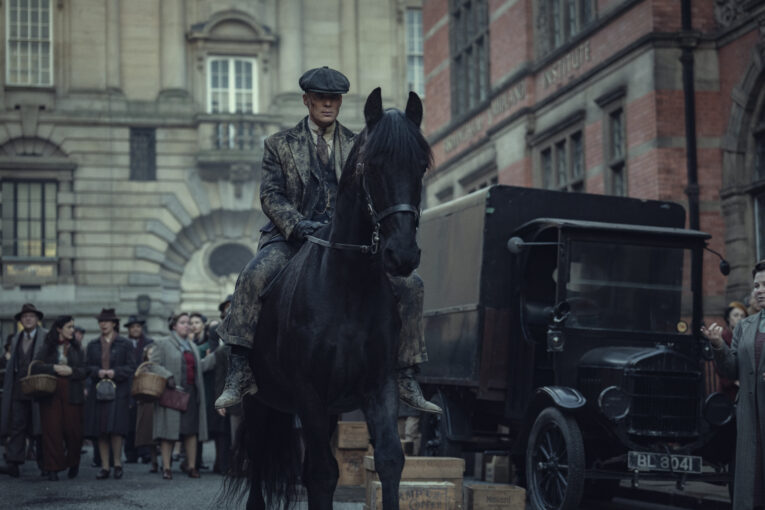
The film draws inspiration from Operation Bernhard, the Nazi plan to destabilize the British economy by flooding it with counterfeit pounds. It also depicts the bombing of the Birmingham Small Arms (BSA) factory with striking realism.
Knight had highlighted the moral dilemma at the heart of this storyline: “Imagine being offered a load of fake banknotes and having to choose between loyalty to your country and being a billionaire.” For Knight, this chapter also carries a personal dimension. His mother worked at the BSA factory during the war, and his brother narrowly avoided being among the victims of a bombing simply because he was off sick that day.
Steven, you shared that your mother worked at that BSA factory in Birmingham. Did that personal history shape your decision to bring fascism and the rise of Nazism so directly into the Shelby story? Was this chapter of Peaky Blinders partly personal for you?
“My dad was in the army as well for World War II. It wasn’t so much their involvement that made me decide to go for that plot line of the rise of fascism. I think when I took the Shelby family into the 1930s, working-class people were all making a decision about which side they were on. Were they with Oswald Mosley and racism which was taking over Europe or were they opposing? For obvious reasons Tommy Shelby chose to oppose him.”
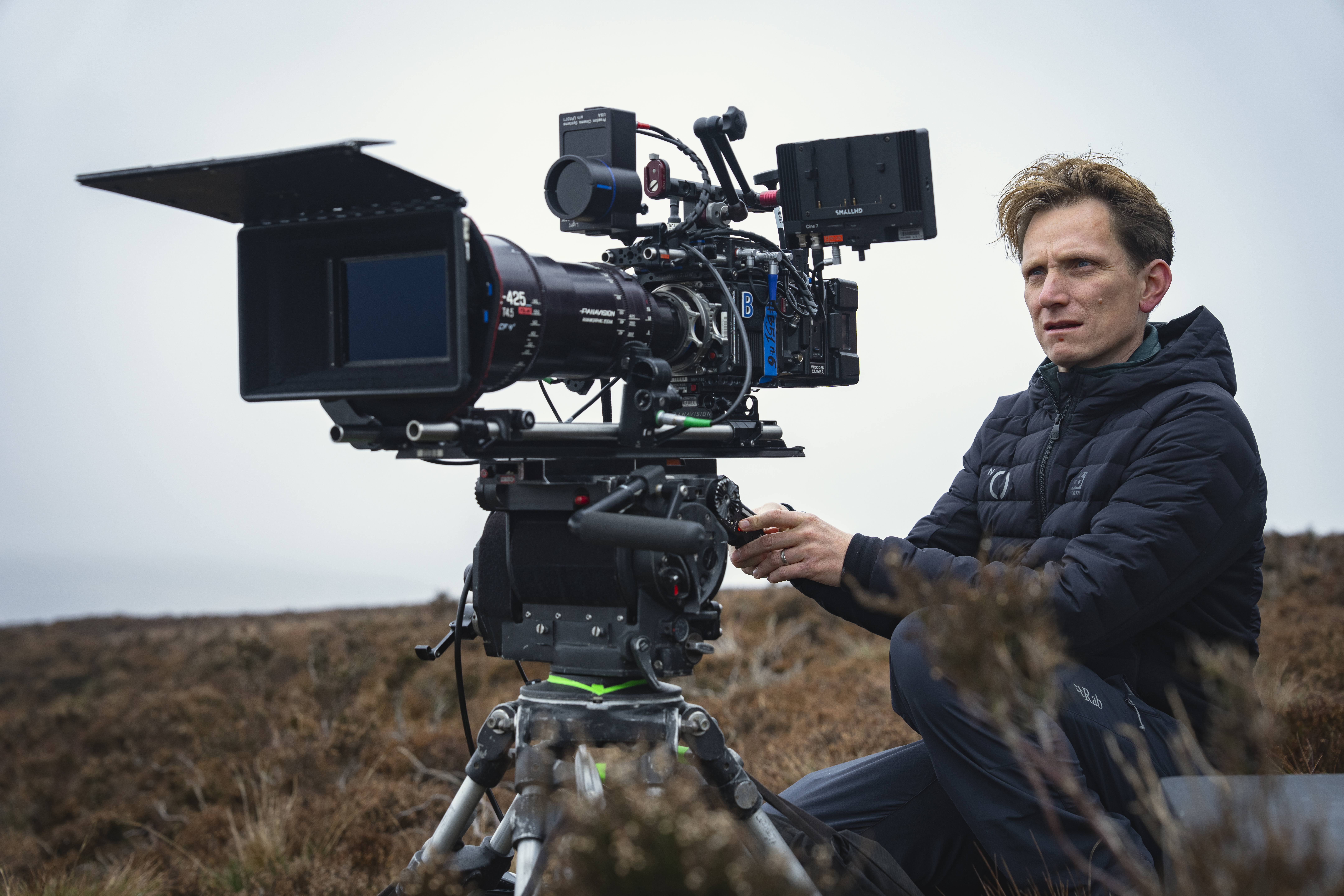
We then turned to Harper to discuss how the film adapts the show’s signature aesthetic into a wartime setting.
Tom, The Peaky aesthetic has always been both brutal and poetic. How did you adapt that visual language to reflect the political tension of the 1940s and the claustrophobia of a world at war?
“I think it’s just evident from the destruction within Birmingham during the Blitz, but that goes further than just a visual landscape. I think it’s sort of a psychological landscape as well. Everybody’s living in this world where a bomb can land on you at any moment as it’s so brilliantly set up in the first few pages of the script.
But I think that violence is really what the Peaky Blinders story is about. You know you have this man unaffected by it before the First World War, living a pretty happy life, who then goes through this extreme violence and trauma, and how he deals with that violence is sort of what the whole thing is about. And really not just violence to other people within the community, but the violence to himself. And that is really what this final chapter is about.”
Finally, we asked the most important question: After The Immortal Man, is the Shelby story truly finished — or do you see this as the end of Tommy’s chapter but not the end of the Peaky Blinders universe?
Steven Knight gave an honest answer: “This is definitely the end of Tommy’s chapter. But we start shooting a new series of Peaky, a TV series, very soon. We carry on.”
Are you going to focus on Duke?
“I’m not allowed to talk about that I’m afraid.”
We may not yet know what comes next, but one thing is certain: while Tommy Shelby’s story reaches its conclusion, the Peaky Blinders universe is far from over.
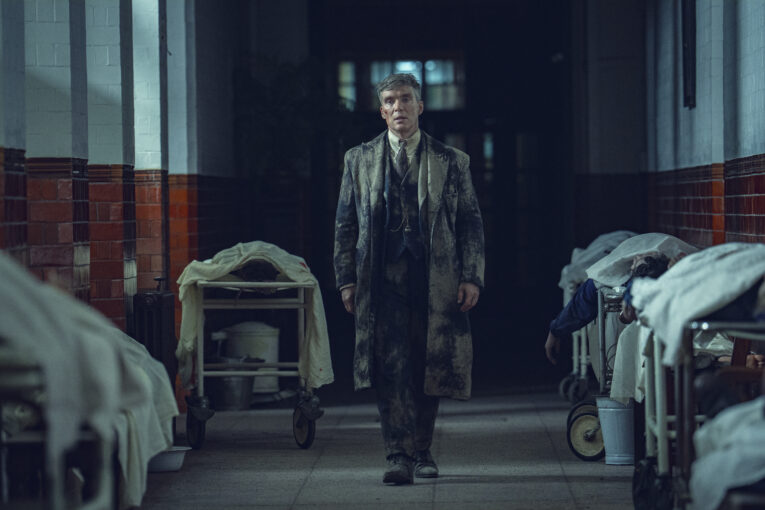
Click here to read our exclusive interview with Cillian Murphy and Rebecca Ferguson.