

By Özlem Özdemir
MEGA Distributions, Alter Ego Media’s international distribution arm, represents the premium catalog of MEGA TV, Greece’s leading commercial broadcaster and most iconic television brand, at MIPCOM 2026 with a versatile slate for linear broadcasters and global VOD platforms. Building on the global success of titles like Maestro in Blue, the distributor is spotlighting two distinct approaches to crime: Camping, a 68-episode crime-comedy that finds humor in the chaotic clash between everyday family life and organized crime, and Collision, a tight 8-part psychological legal thriller exploring subjective truth, doubt, and moral ambiguity.

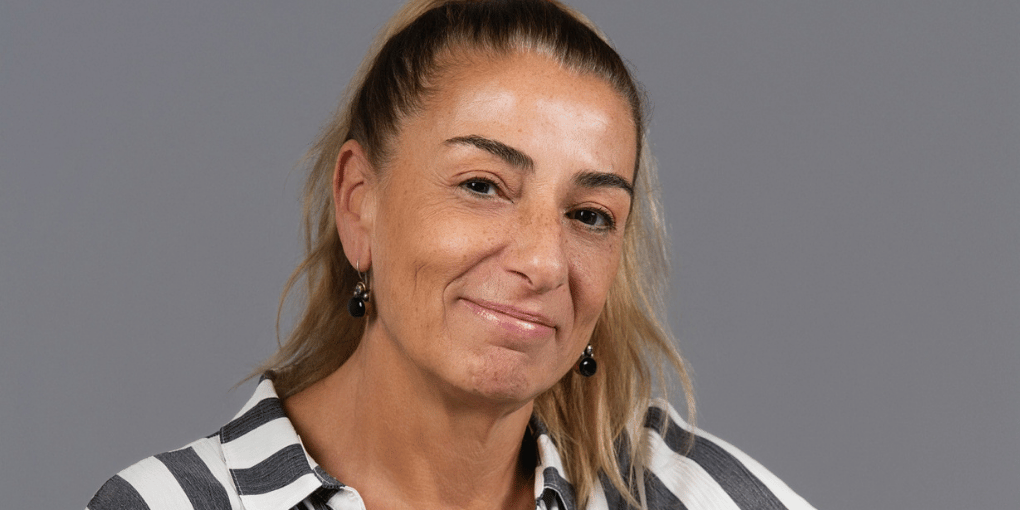
In this interview, Cagla Menderes, Head of International Content Sales at MEGA TV/Alter Ego Media, discusses the universal appeal of Mediterranean storytelling, the market dynamics of long-form versus short-form drama, format adaptation potential, and why now is the pivotal moment for Greek content on the global stage.
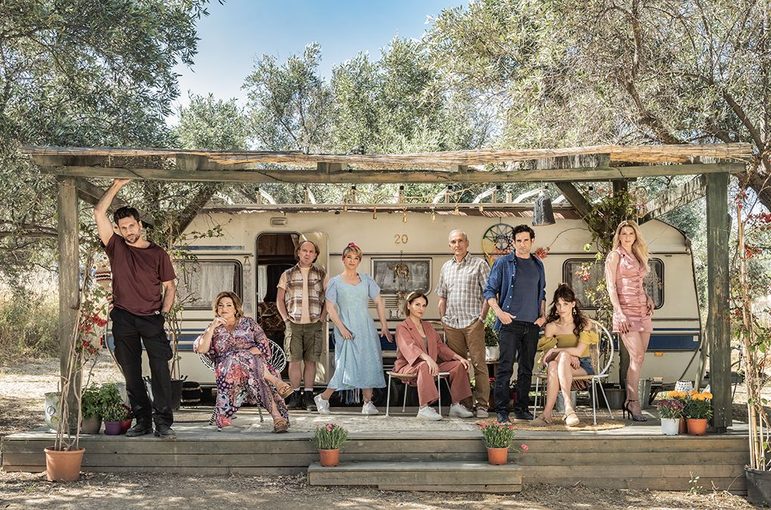
Across 68 episodes, Camping blends dark crime elements- such as money laundering, mafia threats, and cold cases- with lighthearted comedy and family drama. As both the producer and distributor of the project, how would you pitch Camping to the market from both perspectives?
From a production perspective, Camping’s strength is the way it brings crime and everyday life together. Iordanis, an accountant who takes the mafia’s money and seeks refuge at a campsite with his children, tries to find a way out but ends up dragging everyone into a bigger mess. Each attempt to cover up one crime opens the door to another. Meanwhile, the children still need looking after, people fall in love, get jealous and have disagreements with their neighbours. Nobody has the luxury of putting everyday life on hold because of the mafia. That is where the humour lies for me: the characters are not trying to be funny. They find themselves in funny situations while trying to solve serious problems. What sustains that balance over 68 episodes is a strong ensemble of characters, each with their own secrets, desires and part to play in the story.
From a distribution perspective, we know comedy is not an easy genre to sell internationally. Different cultures do not always laugh at the same jokes. But much of the humour in Camping comes from situations rather than wordplay: the fear of getting caught, trying to keep a lie going, making things worse while attempting to protect your children. Audiences in other countries can recognise those situations. So we are offering buyers a long-running series that combines the suspense of a crime story with characters viewers can grow attached to.
Mediterranean dark comedies have a unique charm. When presenting Camping to international buyers at MIPCOM 2026, do you position it primarily as a finished tape sale, or do you see strong format/remake potential for other territories?
At MIPCOM, our starting point is the finished series, with its own distinctive world and a strong cast. I think Camping could find an audience in markets such as Italy, Spain and Latin America. With its quick dialogue and the back-and-forth between characters, good dubbing could be a real advantage in conveying the show’s rhythm. It is not simply about changing the language; it is about preserving the tone of the performances and the comic timing.
But I also see strong remake potential. A campsite is a small community where people who would not normally choose one another have to live side by side. Add hidden money, overlapping secrets and a criminal network nobody can easily escape, and writers in other countries have plenty to work with. I can imagine different versions in Italy, Spain, Portugal or France. Local customs, family relationships and characters can change. What needs to remain is the way one person’s attempt to get out of trouble makes everyone else’s life more complicated – and the overarching question “how far can a person go when the need to survive forces them to change their life?”. For me, that is what makes the story so adaptable.
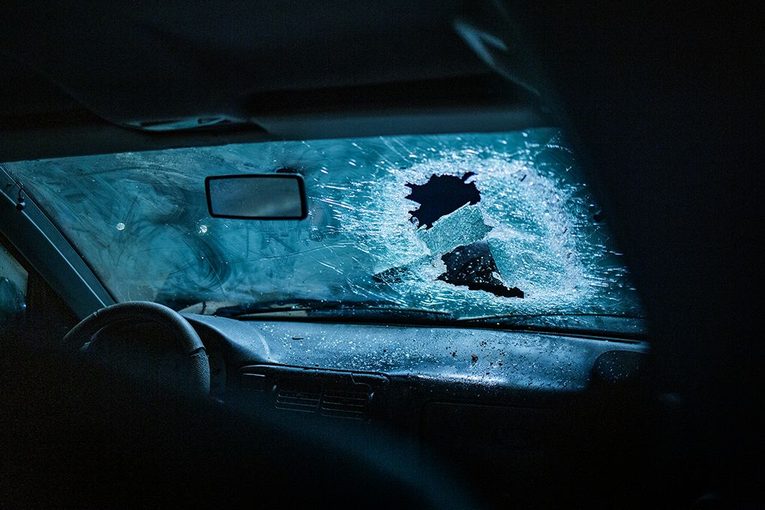
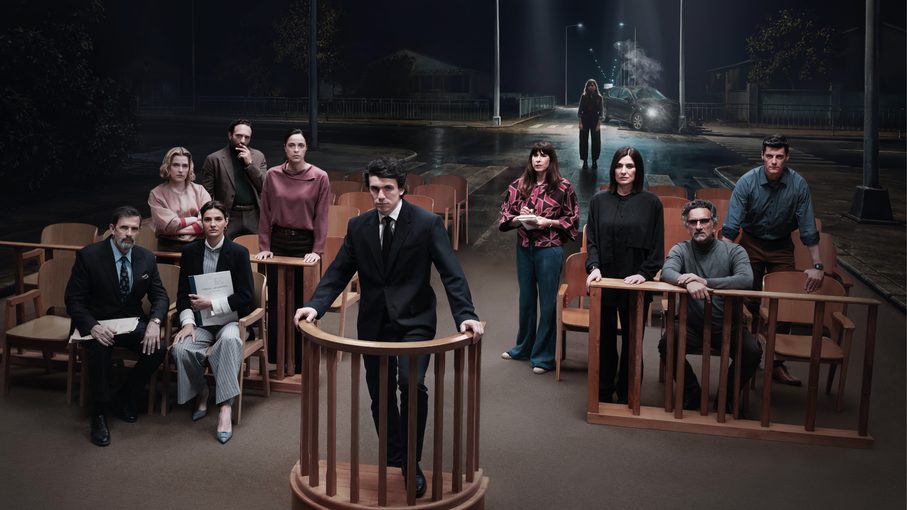
Collision offers a distinct flavor on your slate -a tight, 8-episode psychological legal thriller centered around a young musician accused in a fatal crash. Beyond the legal procedural, what are the most compelling, standout elements of Collision that will captivate global audiences?
Collision is one of those series that makes you say, “Just one more episode”. But it does that through more than new evidence. It keeps changing how much you trust the characters. You believe Philippos, then something you see makes you hesitate. What really happened? Was it an accident or a deliberate act? Do I believe what he is saying, or do I want to believe it? For me, the show’s greatest strength is that these questions grow out of our relationship with the people at the centre of the story. As the lawyer’s search for the truth becomes increasingly personal, the tension goes well beyond the outcome of the case.
The eight-episode structure adds to that intensity. A shorter series is not necessarily an easier story to tell. Introducing the characters, building doubt and timing the revelations all require careful choices. That care is what impressed me in Collision’s writing and performances. It is also where I see its international potential. The story takes place in Greece, but trust, misjudgement and the lengths we might go to defend someone are issues audiences anywhere can understand.
The core premise asks how far one would go to save someone without knowing if they truly deserve it. In today’s global buyers’ market, why do you think these morally complex, subjective-truth narratives resonate so strongly with international audiences?
I think what draws us to these stories is not just the truth itself, but how easily we can get things wrong while trying to find it. When start caring for a character, we want to believe they are innocent. Then a piece of evidence appears, and we start questioning both that person and our own judgement. We are no longer simply watching a case unfold; we are reconsidering the conclusions we have reached. Understanding someone’s reaction does not mean excusing what they have done. But keeping those two things separate is not always easy, especially when we feel close to them.
In everyday life, we are constantly judging others and ourselves, often without knowing the whole story. So when “Who is guilty?” is joined by “Why did I believe them?”, the story becomes more personal. For the lawyer in Collision, the difference between defending someone and believing them matters too. That is where I see the international appeal of these stories. Legal systems and social circumstances may differ, but the desire to trust, the feeling of doubt and the fear of having been wrong are familiar emotions. We keep watching because we want to know the outcome, but also because we have become caught up in those feelings ourselves.
Looking at MEGA Distributions’ portfolio, there is a striking balance between long-running, high-volume shows like Camping and tight, high-concept dramas like Collision or Maestro in Blue. How do you balance these two different models in your global strategy to meet the demands of both traditional linear buyers and global SVOD platforms?
I look at that balance through viewing habits before episode counts. With a long-running series, viewers gradually begin to live alongside the characters. That world becomes part of their daily or weekly routine. This has real value for linear channels looking for continuity in their schedules and a loyal audience. A shorter series needs a strong opening, a concentrated story and a clear reason to keep watching until the end. Camping gives viewers a long period of 68 episodes in which to build a connection with its characters, while Collision delivers an intense thriller in eight. Having both in our catalogue allows us to respond to different buyer needs.
Still, I would not draw a fixed line and say long series belong on television and short ones on platforms. A short drama can work very well in a channel’s weekly schedule, while a long-running series can keep viewers engaged on a VOD service over time. For example, I believe there are strong opportunities to discuss literary period dramas such as The Innocents with European public broadcasters. As far as Collision is concerned, I am considering both broadcasters and platforms looking for a short, intense thriller. Our strategy is to use the broad range of our catalogue to make a more relevant proposal to each buyer, rather than send the same list to everyone.
Greek drama has been experiencing a massive international breakthrough, with Mega TV leading the charge across global platforms. Coming into MIPCOM 2026, what do you think makes contemporary Greek crime and drama series so attractive to international buyers right now?
I think Greek series have an interesting advantage: audiences feel they know Greece, but they have yet to discover many of its stories. The country’s warmth, its human relationships and its Mediterranean atmosphere can create a sense of familiarity. Crime and drama then reveal the tensions behind that familiar image: family ties, secrets, money, loyalty and social pressure. A sunny setting does not mean a story cannot be dark. Camping and Collision explore that in very different ways. One finds humour in the contrast between crime and everyday life; the other explores where trust and the search for truth can lead us.
I believe international buyers are always looking for something new, they recognise it when they see it. That is why this MIPCOM is important. With MEGA, Alpha and Antenna exhibiting together, we are bringing a broader range of Greek series to the international market in a more coordinated way. We want to build on the visibility global platforms have given Greek drama and develop lasting connections directly with audiences. I believe this is the right time for Greek content. Now we need to find the right broadcaster for each story.
This interview was conducted by Özlem Özdemir and originally appeared in 221B Magazine’s MIPCOM 2026 issue.