
As MIPCOM 2026, one genre is proving particularly difficult to overlook: crime.
From true crime and forensic investigations to crime drama, psychological thrillers, digital crimes and real-life cases adapted for scripted television, crime is spread across the catalogues of some of the industry’s biggest distributors and production companies. And it is not simply the sheer number of titles that stands out. It is the variety of ways in which crime is being packaged, reformulated and sold to international audiences.
MIPCOM 2026 takes place in Cannes from 12 to 15 October, bringing together thousands of buyers and exhibitors from around the world. The market therefore offers more than a preview of upcoming television titles: its catalogues can also provide a useful snapshot of where the international television business sees demand.
This year’s crime offering suggests that the genre is far from exhausted. Instead, it is fragmenting into an increasingly broad range of subgenres.
True crime is still big — but it is changing
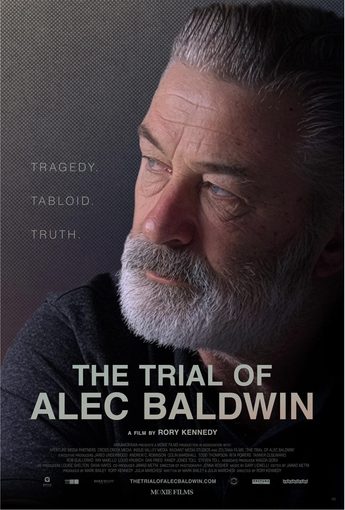
True crime remains one of the most visible areas of the MIPCOM crime landscape.
Blue Ant Media, for example, is bringing more than 45 new and returning titles to Cannes, with crime and true crime featuring prominently in its slate. Among the titles are The Trial of Alec Baldwin, Live Stream Killer, Billion Dollar Hash Hunt and Death in the Sun.
What connects many of these productions is not simply the fact that they are based on real crimes. Increasingly, true crime is interested in the systems surrounding a crime: digital evidence, social media, technology, surveillance, forensic investigation and the way a case unfolds in the public eye.
Live Stream Killer, for instance, centres on a murder case in which a YouTube livestream becomes part of the question surrounding the suspect’s alibi. Other Blue Ant titles such as Killers: Caught on Camera and See No Evil similarly place visual and digital evidence at the heart of the investigation.
The classic true-crime question — Who did it? — is still there. But increasingly, another question is just as important: How did the evidence reveal it?
Forensics remain a powerful storytelling tool
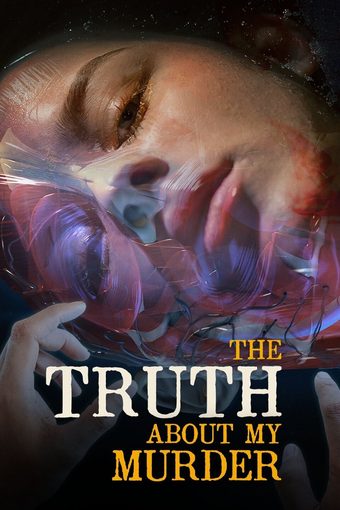
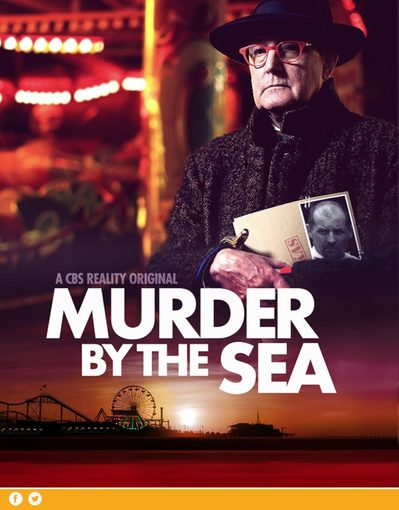
Another prominent branch of the MIPCOM crime offering is forensic crime.
DCD Rights is bringing The Truth About My Murder, featuring forensic pathologist Dr Richard Shepherd, who examines murder cases through digital autopsy technology while combining forensic evidence with the experiences of investigators and victims’ families.
The company’s catalogue also includes new episodes of Murder by the Sea, demonstrating the continued international appeal of factual crime built around specific cases and investigative expertise.
This reflects a wider trend: audiences are not only interested in the crime itself, but in the mechanics of solving it.
Forensics, pathology and investigative technology turn the process of solving a murder into part of the entertainment. The laboratory, the autopsy room and the digital evidence trail become as important to the narrative as the crime scene itself.
The digital crime boom
Technology is no longer simply a tool used by investigators. Increasingly, it is the crime.
Online identities, social media, digital footprints, livestreams, cyber-enabled fraud and online predators are becoming central elements of contemporary true crime.
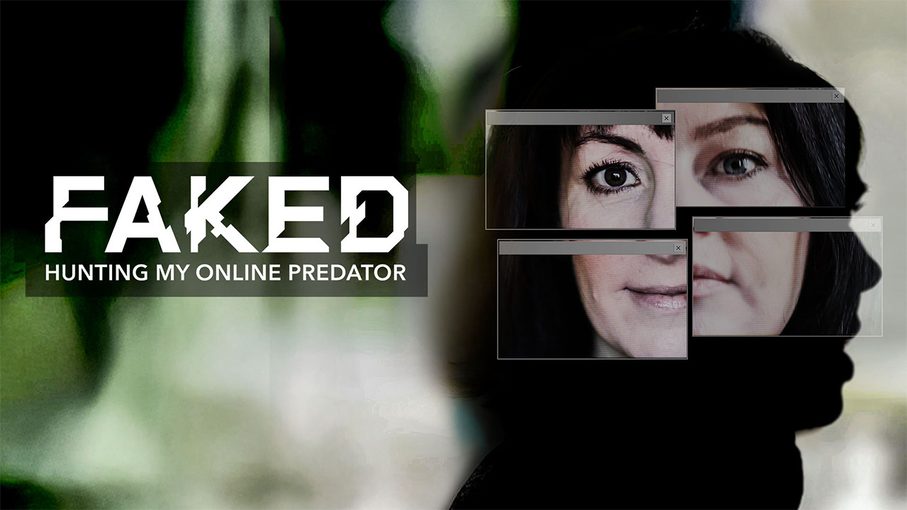
ITV Studios’ MIPCOM offering provides another example with Faked: Hunting My Online Predator, which follows women conducting an online investigation into a predator. The title reflects how dramatically the definition of a crime scene has changed in the digital era.
The internet has created a new vocabulary for crime storytelling. A profile can become evidence. A livestream can become a crime scene. A digital footprint can become the key to a murder investigation.
That gives true crime a particularly contemporary advantage: real-world crimes continue to evolve alongside technology, giving producers an almost endless supply of new stories and new investigative angles.
When true crime becomes drama
Perhaps one of the most interesting developments at this year’s market is the increasingly blurred boundary between true crime and scripted crime drama.
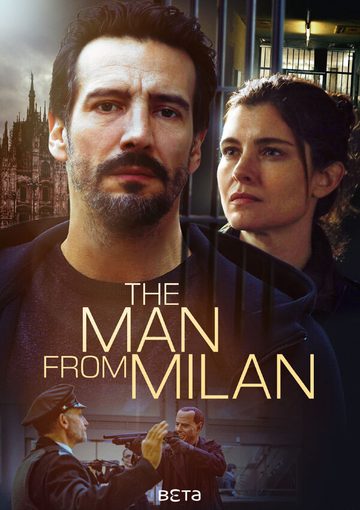
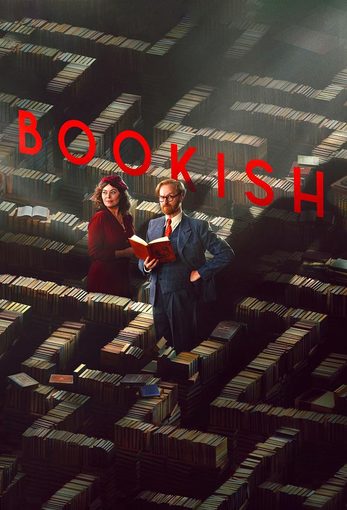
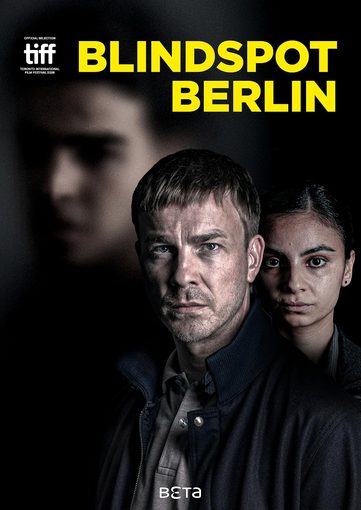
Beta Film’s MIPCOM slate offers a particularly strong example. Its 2026 line-up includes titles such as The Man from Milan, Silent Nava, Blindspot Berlin, El Immortal and Bookish, covering everything from true-crime drama and real-life events to gangster stories and cosy crime.
Silent Nava, described as Ukraine’s first true-crime drama, explores corruption and organised crime, while Blindspot Berlin turns the 2016 Berlin Christmas market attack into a dramatic investigation.
The result is a fascinating middle ground.
True stories are increasingly being told using the narrative tools of fiction, while scripted crime series continue to borrow the visual language and investigative structures of documentary.
The question is no longer simply whether a series is true crime or crime drama. Increasingly, the two formats exist on a spectrum.
Traditional crime drama is still going strong
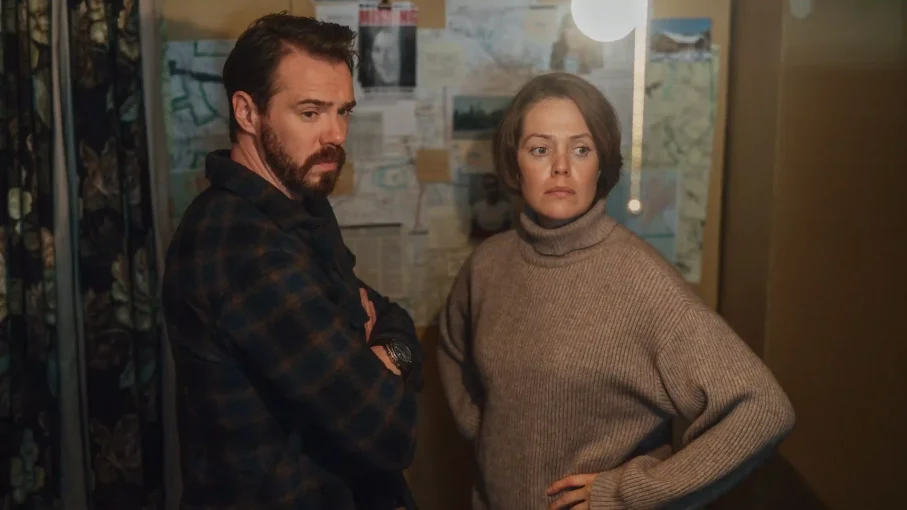
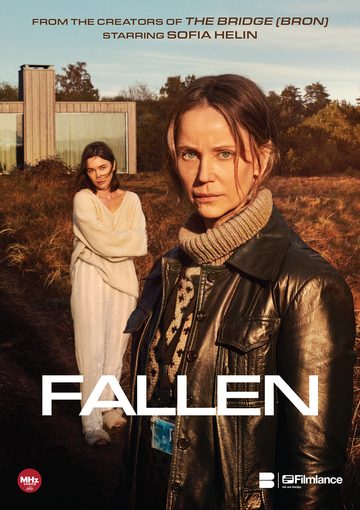
The rise of true crime has not diminished the appetite for fictional detectives, murder mysteries and classic crime drama.
Banijay’s MIPCOM 2026 slate includes titles such as The Murder of Mr. Moonlight, Wallander, Sarek and Fallen, demonstrating the continued international appeal of both established crime brands and new interpretations of the genre.
DCD Rights is also bringing three new crime dramas to Cannes: The Last to Disappear, set in Lapland; Fortitude Valley, starring Rupert Everett; and An Impossible Way to Die, which revolves around a mysterious murder during a dinner.
Meanwhile, Fremantle is bringing Moriarty, a new crime drama centred on Sherlock Holmes’ most famous adversary. The project represents another way of refreshing a familiar crime universe: taking an established character and shifting the perspective.
The message is clear. The traditional crime drama is not disappearing. It is being reinvented.
Crime is becoming an umbrella genre
Perhaps the most revealing aspect of the MIPCOM 2026 crime slate is how difficult it has become to define “crime” as a single genre.
There are murder investigations, forensic documentaries, cosy mysteries, gangster dramas, psychological thrillers, historical crimes, digital investigations, factual dramas and stories inspired by real events.
3DD’s MIPCOM offering illustrates this diversity particularly well, with titles including Homicide Holmes, Murder Maps: Femme Fatale and Murder Maps: The Haunted. Here, murder history intersects with Sherlock Holmes-inspired storytelling, notorious female criminals and even supposedly haunted locations.
Crime is therefore increasingly functioning as an umbrella rather than a genre in itself — a narrative framework capable of absorbing elements of documentary, history, thriller, drama, mystery and even horror.
So, what does MIPCOM 2026 tell us about crime TV?
The most interesting question may not be whether true crime is still popular.
It clearly is.
The more important question is what producers need to do to make the next crime story stand out.
ITV Studios’ own assessment points towards the same challenge: with audiences exposed to an enormous volume of crime content, a compelling case is no longer necessarily enough. Access, a distinctive perspective and a strong connection to the present can make the difference.
Looking across the MIPCOM 2026 catalogues, those differentiators are everywhere.
Digital evidence. Forensic technology. Social media. Female investigators and victims. Online predators. Real-life attacks. Historical crimes. Gangsters. Cosy mysteries. Reimagined detectives.
The crime story is changing because the world of crime is changing.
And perhaps that is the real story coming out of Cannes this year.
Crime television is not running out of stories. It is finding new ways to tell them.
This article was published in the MIPCOM 2026 issue of 221B Magazine.