

Murders, cold cases, courtroom battles and investigations reopened decades later: audiences’ appetite for true crime appears remarkably resistant to the broader slowdown affecting television commissioning. New data from Ampere Analysis shows that true crime documentaries remain one of the strongest and most consistently commissioned areas of factual television.
Why is true crime still on top?
Data presented by Ampere Analysis Principal Analyst Rahul Patel at Seriesly Berlin suggests that while documentary commissions overall are declining, demand for true crime remains comparatively stable.
Global true-crime commissions peaked at around 2,500 titles in the first half of 2022. By H1 2026, that figure had fallen to below 2,000, but it remained well above the pre-pandemic level of roughly 1,250 commissions recorded in H1 2020. Since 2022, crime documentaries have consistently represented between 15% and 19% of documentary commissions.
The picture is similar in Europe. Across the past two years, true crime generated 651 series orders, comfortably ahead of arts, crafts and culture with 481. Travel, history, nature and animals, sports and biography followed.
Why are streaming platforms betting on crime?
True crime is particularly dominant among subscription streaming services. Between H1 2024 and H1 2026, crime accounted for around 35% of documentary commissions from subscription streamers, followed by sports at 20%.
Public broadcasters showed a very different commissioning profile, with crime representing only 10% of documentary orders. Commercial free-to-air broadcasters allocated around 18% to crime, while pay TV operators came much closer to streaming behaviour, with crime making up roughly 30% of commissions.
The figures underline the particular value of true crime to platforms competing for sustained viewer attention.
A compelling crime is no longer enough
The genre may remain popular, but the true-crime market is becoming increasingly competitive. In 2025, true crime represented around 16% of documentary commissions worldwide, and producers say buyers are placing greater emphasis on exclusive access, distinctive points of view and more ambitious storytelling.
Christian Beetz of Mediawan-owned Beetz Brothers has described true crime as one of the strongest genres for subscription streamers, while also arguing that genre blending is increasingly important for standing out.
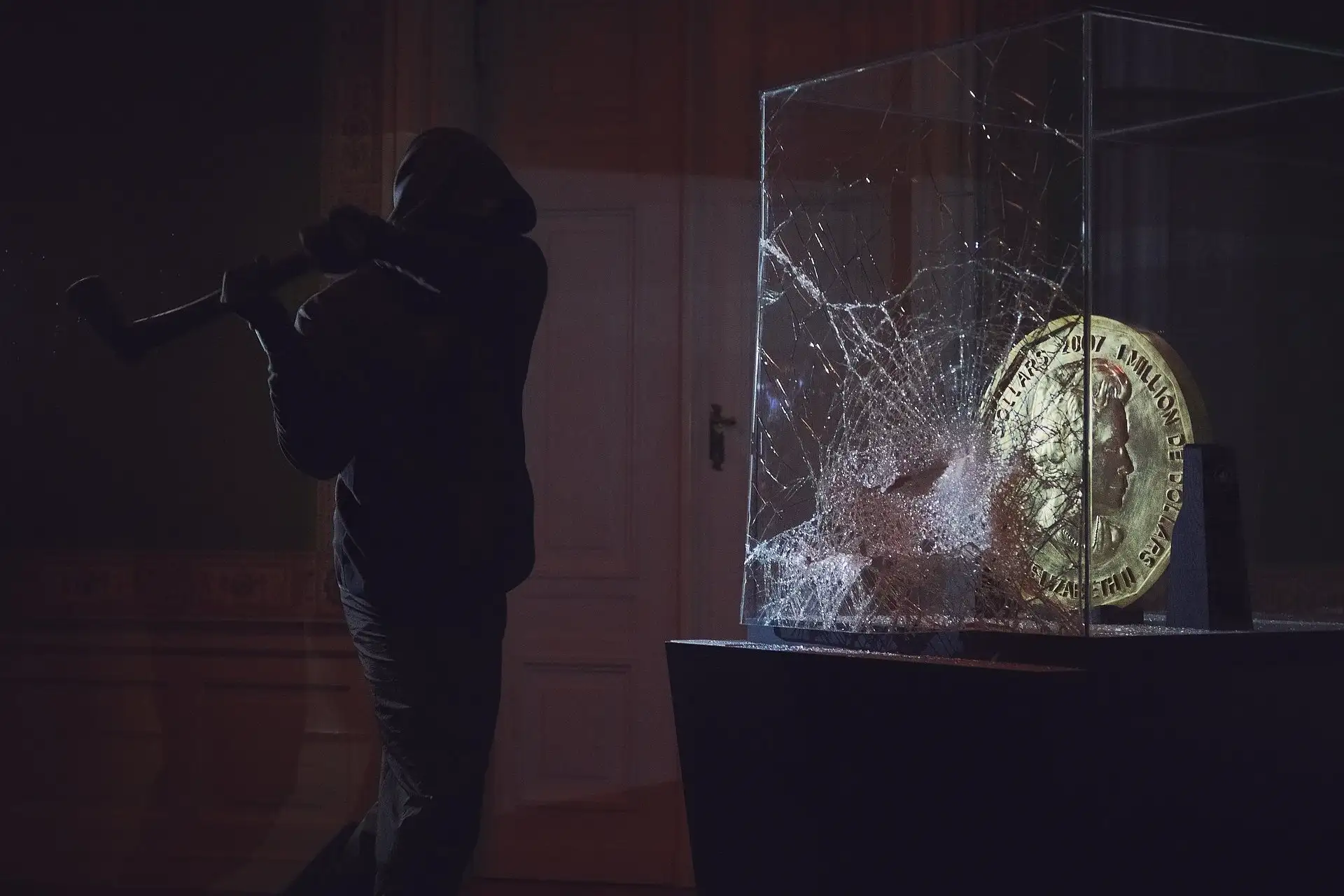
One example is HBO Max’s Clangold, which explores the theft of a giant gold coin from Berlin’s Bode Museum. Set to premiere on November 13, the series uses a more complex, cinematic approach to a real-world crime story rather than relying solely on the mechanics of the investigation.
True crime is therefore not simply surviving the downturn in documentary commissioning; it is evolving within it. As the number of overall commissions falls, crime stories continue to attract audiences but increasingly, the decisive question is not only which case is being told, but how it is being told.
Source: Deadline
How Are Crime Drama Adaptations from Novels Reshaping Streaming?